
Contract experience from the US and Canada
A large group of candidates has already worked abroad legally in seasonal programmes. They know contracts, time records and life in worker accommodation.

 Recruitment from Guatemala
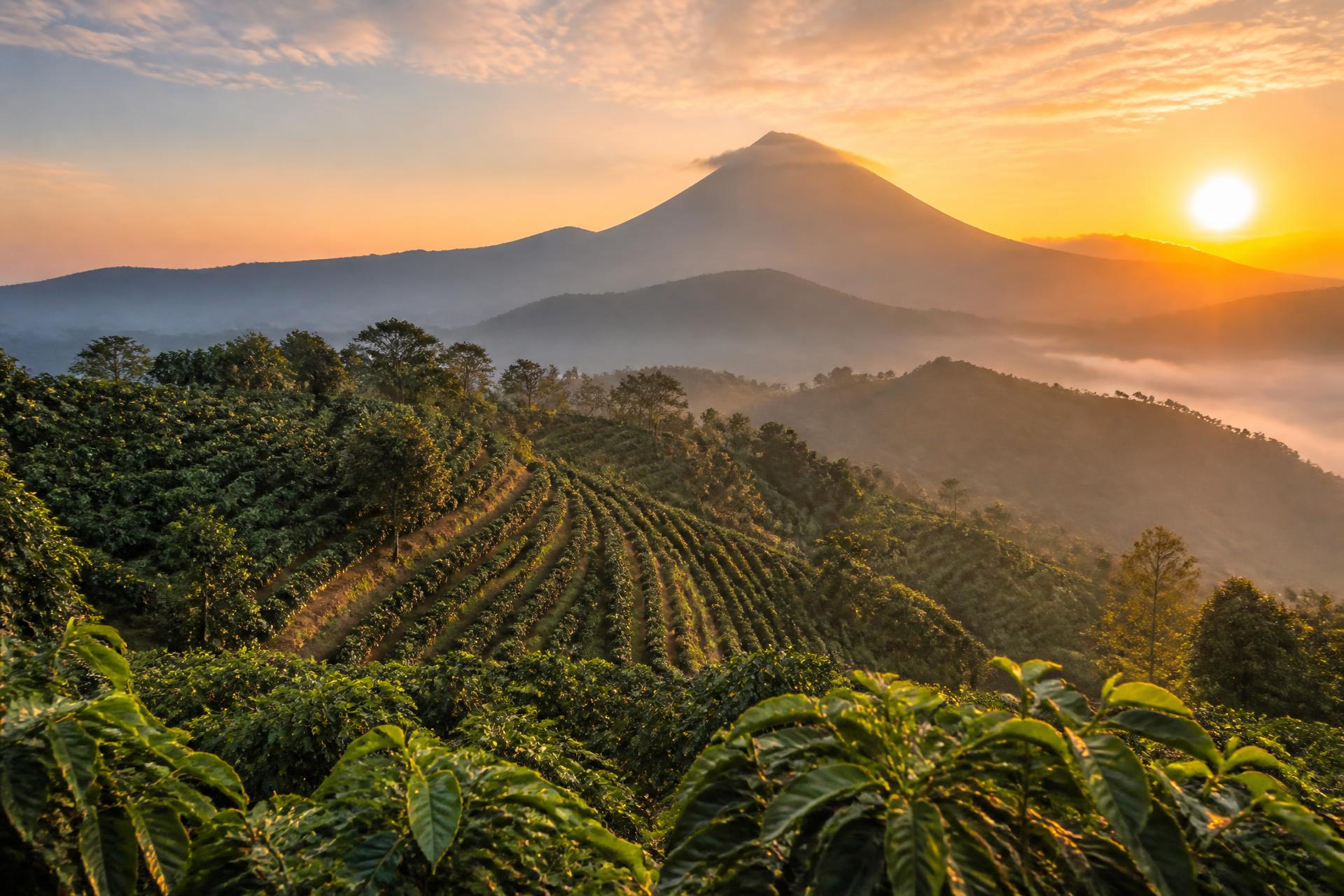
Guatemala is the most populous country in Central America, with a young labour market, developed agriculture and food processing, and a large pool of candidates who already hold contract experience in the United States and Canada. We run the entire process: sourcing and document verification, the labour market test, the type A permit, the national D visa, relocation and onboarding in Poland.
Guatemala · Central America
Guatemala has around 18 million inhabitants and one of the youngest age structures in the region, with a median age below 25. The economy rests on export agriculture (coffee, bananas, sugar cane, cardamom), food processing and the textile maquila industry around the capital. That is a real pool of candidates used to physical work under output and seasonal discipline, not to casual jobs.
The vocational backbone is INTECAP – the state training institution with centres across the country, running courses in mechanics, electrical trades, welding, construction, logistics, food processing and catering. Certificates can be verified with the issuing body, and for technical roles we always run a practical skills test before the hiring decision.
What sets this direction apart is contract experience. Guatemala has taken part in seasonal employment programmes in the United States and Canada for years, so a large group of candidates has already worked abroad legally – they know time records, output standards, crew work and life in worker accommodation. That shortens induction noticeably and lowers the risk of drop-out in the first weeks.
Formally the direction requires the full path: a labour market test, a type A work permit issued by the voivode and a national D visa. Poland has no embassy in Guatemala – visa applications are filed at the Polish Embassy in Mexico City, which extends the consular stage. Documents are legalised by apostille. The realistic time from contract to the first day at work is 4 to 6 months.
4–6
months from contract to first day at work
INTECAP
state vocational training system
18m
inhabitants, median age under 25
100%
legal employment and residence
Other directions
We also recruit from Philippines, India, Nepal, .
See all directionsBenefits
A large group of candidates has already worked abroad legally in seasonal programmes. They know contracts, time records and life in worker accommodation.
Coffee, bananas, sugar cane and vegetables for export mean work under quality and sanitary regimes – harvesting, sorting, packing and cold storage.
Maquila plants around the capital gave candidates experience on production lines, with output standards and quality control, often on shifts.
Strong family motivation and remittances mean candidates value stable employment and payment on time far more than short contracts.
A state vocational training system with centres nationwide. We verify certificates with the issuer and test technical skills in practice.
The whole crew speaks the same language, so a bilingual leader and Spanish instructions cover the entire shift. Simpler to organise than mixed-language groups.
Qualifications
The candidate profile includes a scan of the INTECAP certificate or technical school diploma, employment history with named companies and plantations, confirmation of previous overseas contracts, an assessment of Spanish and English, and – for technical roles – documentation of the practical skills test.
INTECAP certificates and technical schools
Vocational courses in mechanics, electrical trades, welding, construction, logistics and processing. Certificates are verified with the issuer and apostilled.
Experience in agriculture and processing
We confirm work on coffee, banana and sugar cane plantations, in sorting, packing and cold storage facilities, and in food processing plants. References are checked by phone.
History of overseas contracts
We check previous legal seasonal placements in the US and Canada – the best predictor of how a candidate will cope in Poland.
Language level and pre-departure preparation
A video interview assessing Spanish and, where relevant, English, plus a basic Polish and workplace vocabulary course before departure.
The region of origin translates directly into a candidate's professional profile.
Guatemala City and Mixco
The capital and largest labour market: maquila plants, logistics, construction and catering. The main INTECAP centres are here as well.
Quetzaltenango and the western highlands
The region with the strongest tradition of labour migration. Highland agriculture, crafts, construction and high readiness to work abroad.
Escuintla and the Pacific coast
Sugar cane, bananas, palm oil and processing. Large-scale shift work under seasonal and sanitary regimes.
Alta Verapaz and Cobán
Coffee and cardamom. Candidates know harvesting, sorting and drying, and work in difficult terrain.
Chimaltenango and Sacatepéquez
Export vegetables, greenhouses and packing houses built to US and EU buyer standards. A good base for horticulture and processing.
Izabal and Puerto Barrios
Port, logistics and cargo handling plus banana plantations. Warehouse experience and work with heavy loads.
We run the process in five stages: consultation, quote and contract; sourcing and pre-selection in Guatemala; labour market test and type A permit; apostille, translations and the national D visa at the Polish Embassy in Mexico City; relocation and onboarding. Each stage has a clear deadline and a complete document set.
4–6 months
from contract to first day at work
5 stages
one coordinator runs the whole process
100%
compliance with PL and GT authorities
Etapy procesu
Needs analysis, role profile, quote and schedule. Sourcing starts once the contract is signed.
Consultation and needs analysis
Week 1We agree the scope of duties, required qualifications, pay and accommodation standard.
Quote and schedule
Week 1–2We present the full budget, stage deadlines and planned arrival batches – for Guatemala flights and visa slots are planned in groups.
Contract and job description
Week 2Contract signature and approval of the job description – the document also goes into the visa file.
Sourcing and verification in Guatemala City, Quetzaltenango, Escuintla and Cobán – certificates, work history, previous contracts.
Candidate pre-selection
Week 2–6Our partner in Guatemala sources candidates and verifies INTECAP certificates, plant and plantation experience and references.
Shortlist and video interviews
Week 4–7We present a documented shortlist. Interviews are held in Spanish with interpretation, with your supervisor taking part.
The governor's statement where required, plus the type A permit application at the voivodeship office.
Labour market test
Week 3–7Filing the vacancy with the district labour office and obtaining the governor's statement where the role requires it.
Decision: type A permit
Week 6–14Application at the voivodeship office; a decision usually takes 30 to 60 days depending on the region.
Apostille on documents, sworn translations, medical checks, insurance and the visa application at the Polish Embassy in Mexico City.
Apostille and sworn translations
Week 10–16Apostille on certificates and references, sworn translations, medical checks and insurance.
Visa application in Mexico City
Week 13–22Booking the appointment and filing the national D visa application at the Polish Embassy in Mexico City, including candidate travel from Guatemala.
Flight from Guatemala City, airport transfer, accommodation, PESEL, bank account and onboarding.
Tickets and transfer
Week 18–24Booking the flight from Guatemala City, airport transfer and meeting the group with a coordinator.
Accommodation and registration
First weekHousing that meets sanitary requirements, address registration, PESEL application and opening a bank account.
Safety training and onboarding
First weekHealth and safety training in Spanish, workstation instructions, a buddy in the team and first days under supervision.
Aftercare and 90-day review
Month 1–3Ongoing contact with the coordinator, support with residence matters and a review of the placement after three months.
Typowy harmonogram
Od umowy do pierwszego dnia pracy – zwykle 3–5 miesięcy
Consultation, quote and contract
01Sourcing and pre-selection in Guatemala
02Labour market test and type A permit
03Apostille, translations and national D visa
04Arrival and first day at work
05Koszty zatrudnienia
Official fees in Poland
EmployerThe type A work permit application and administrative fees at the voivodeship office.
Visa fee and consular logistics
Employer / agencyThe consular fee for the national D visa plus candidate travel to the appointment at the Polish Embassy in Mexico City.
Apostille and translations
Employer / agencyApostille on INTECAP certificates and references, sworn translations, medical checks and insurance.
Flight and relocation
EmployerAir ticket from Guatemala City, transfer, initial accommodation and starter kit including winter clothing.
Exams and licences in Poland
Employer / agencyFor operators, welders and drivers: UDT licences, the EN ISO 9606-1 exam or licence exchange and initial qualification.
Agency fee
EmployerSourcing, handling the administrative and consular procedure and coordinator support after arrival.
We do not quote a single price per worker – the budget depends on the role, headcount and region. For Guatemala two items weigh most: the transatlantic flight and the visa logistics caused by consular matters being handled by the Polish Embassy in Mexico City. That is why arrivals are planned in batches rather than one by one. Apostille instead of full consular legalisation works in your favour. The schedule is driven mainly by the voivode's decision time and visa slot availability – both are built into the quote from day one.
Gotowi do startu
Industries
This direction is chosen where stamina, teamwork and experience with seasonal and sanitary regimes matter. Export agriculture and processing are the natural talent base.
Coffee, bananas, sugar cane, vegetables and fruit for export. Candidates know harvesting, sorting, packing and greenhouse work to EU and US buyer standards.
Fruit, vegetable, sugar and meat processing plants working for export. Work under sanitary regimes, in cold storage and on shifts.
Maquila plants around the capital: sewing, assembly, packing. Candidates know output standards, quality control and shift work.
Residential and infrastructure construction in Guatemala City plus experience from US contracts – general construction and finishing works.
Puerto Barrios port, distribution centres in the capital and fruit export logistics. Experience in cargo handling and cold store operations.
INTECAP graduates with mechanical, electrical and welding courses. For technical roles we always run a practical skills test.
If you mainly need welding credentials and technical staff from Latin America, Colombia is the stronger direction. We use Guatemala for agriculture, processing, packing and physical work where a stable, cohesive crew is the priority.
Roles
This direction delivers best in agriculture, food processing, production and packing, and warehousing. For technical roles we run a practical skills test before the hiring decision.
Considering other directions? See also workers from Colombia, workers from Argentina or workers from the Philippines.
A comparison of typical differences in the process and candidate profile.
| Criterion | Guatemala | Other directions |
|---|---|---|
| Language | Spanish across the crew, Mayan languages locally | English (Philippines, Uganda) or French (Morocco) |
| Candidate profile | Agriculture, processing, production, packing, construction | Colombia – more technical and welding staff |
| Legal basis | Type A work permit and national D visa | PUP declaration (Georgia) or A + DOLAB (Vietnam) |
| Consular post | Polish Embassy in Mexico City – candidate travels for the appointment | Consulate in the country of origin for most directions |
| Process time | 4–6 months – longer consular stage | Colombia 3–5 months, Georgia under 2 months |
Cultural integration
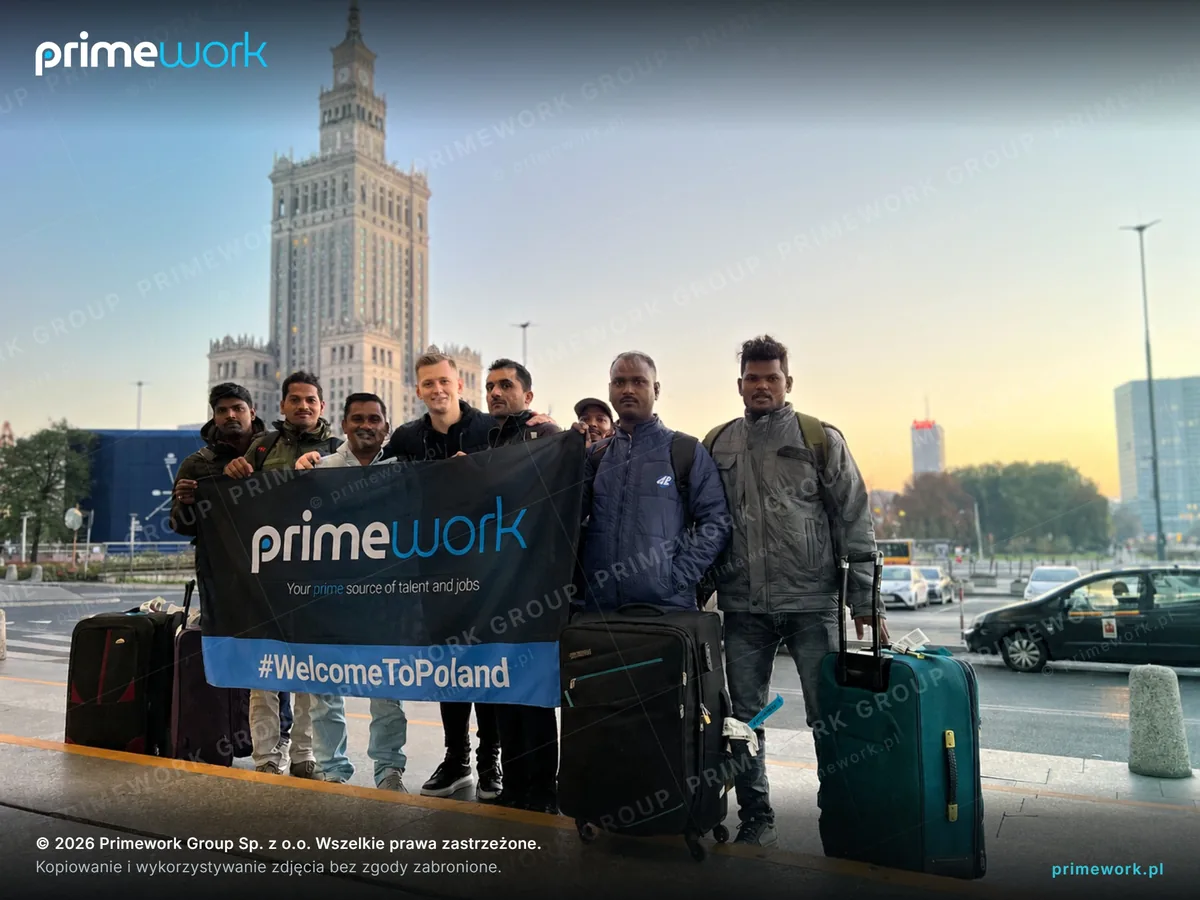
Teams from Guatemala are calm and loyal, but a few things are worth setting up from the start. Below are four points that in practice decide whether the first year runs without turnover.
Spanish versus Polish on the floor
English is not widespread, and in rural regions Spanish is often a second language after a Mayan one. A bilingual crew leader, workstation instructions in Spanish and a Polish course from month one solve this faster than most companies expect.
Climate and the first weeks
Guatemala is known as the land of eternal spring – candidates have never experienced frost or short winter days. A winter clothing pack on arrival and scheduling outside peak winter genuinely reduce drop-outs.
Food and meals
The diet is based on maize, beans, rice and chicken – simple, filling and with no religious requirements. Access to a kitchen after the shift is entirely sufficient; no canteen menu change is needed.
Remittances and formalities
Regular transfers to family are critical, so opening a bank account quickly and a clear payment calendar matter more than benefits. The coordinator handles registration, PESEL and the residence card application so that legal status never lapses.
Short answers to questions about recruiting workers from Guatemala.
Direction: GuatemalaWe start with a conversation about your needs, a quote and a contract. Only then do we launch sourcing, the labour market test, the type A permit and the national D visa at the Polish Embassy in Mexico City.
Realistic time from contract to first day at work: 4 to 6 months.