
Shortest legalisation route
Simplified procedure: a declaration registered at the labour office, valid for up to 24 months, with no labour market test and no wait for a consular appointment.

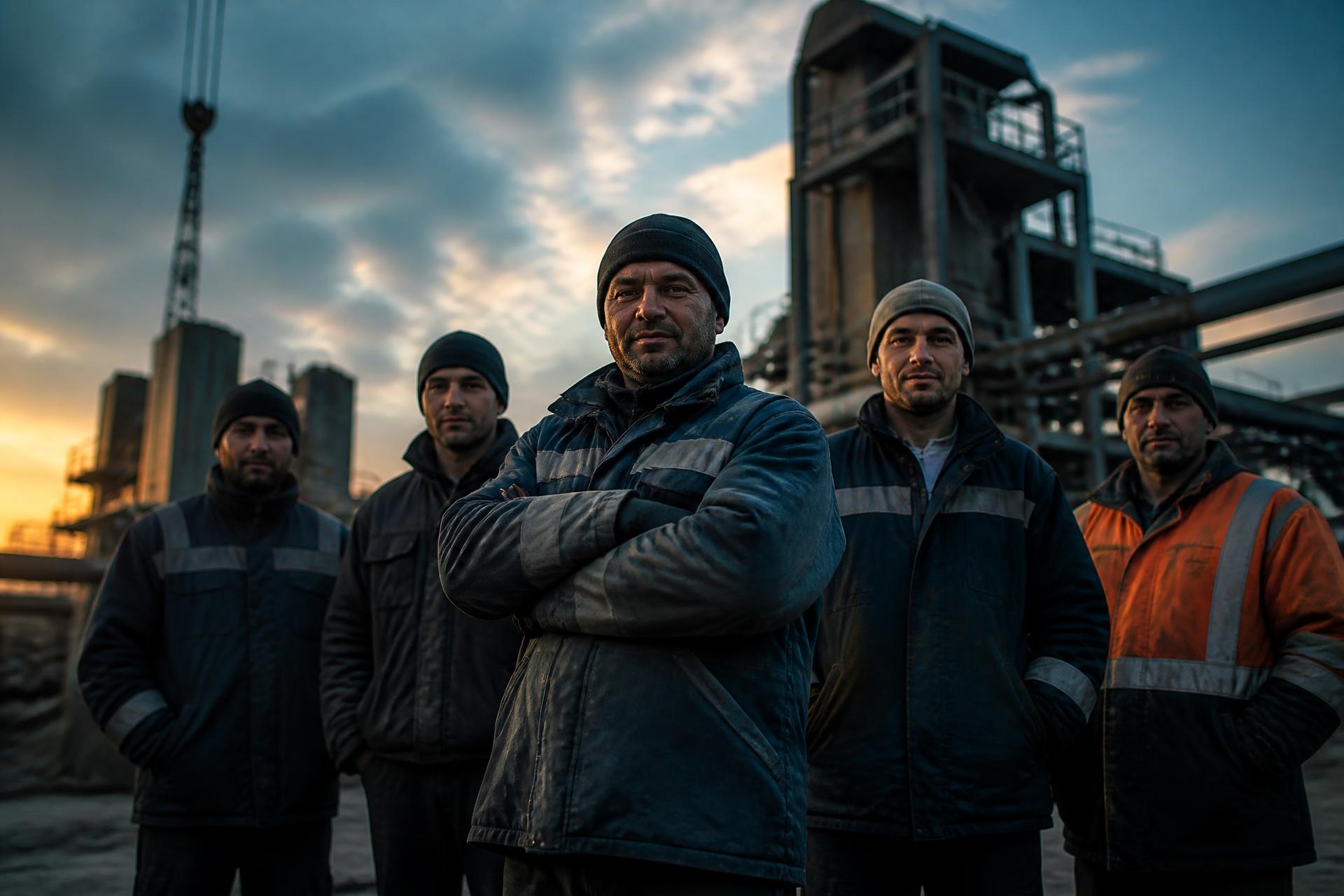
 Recruitment from Moldova
After Ukraine and Georgia, Moldova is the fastest direction we run: visa-free travel on a biometric passport, an employment declaration valid for up to 24 months and a two-hour flight from Chișinău. We handle the whole process – recruitment and trade verification, the declaration or type A permit, documents, relocation and onboarding in Poland.
Moldova · Eastern Europe
Moldova has around 2.4 million inhabitants, so it is not a mass-volume direction like the Philippines or India. Its advantage is speed and proximity: a candidate with a biometric passport enters Poland without a visa, and employment is legalised through a declaration registered at the district labour office. In practice that means a first working day within 3 to 8 weeks of signing, not half a year.
The labour market is heavily oriented towards work in the European Union. Moldovans have worked for years in Italy, Romania, Czechia, Germany and Poland, mainly in construction, transport, agriculture and on production lines. A candidate with that track record already knows European quality standards, health and safety paperwork and working to output targets, so induction takes days rather than weeks.
Qualifications come from vocational schools and technical colleges with a strong tradition in welding, mechanics, electrical trades, construction and agriculture. Diplomas are verified with the issuing body and carry an apostille, as Moldova is a party to the Hague Convention. For welders, operators and fitters we always run a practical trade test, and UDT authorisations or welding exams are completed in Poland.
One thing is worth checking on day one: some candidates also hold Romanian citizenship. Such a person is an EU citizen and works in Poland with no permit and no declaration, which reduces the process to recruitment and relocation. Other candidates work under the declaration for up to 24 months and then move to a temporary residence and work permit for longer contracts.
3–8
weeks from contract to the first day at work
24 mo.
work under the simplified declaration route
2 h
flight from Chișinău to Warsaw
100%
legal employment and residence
Other directions
We also recruit from Philippines, India, Nepal, .
See all directionsBenefits
Simplified procedure: a declaration registered at the labour office, valid for up to 24 months, with no labour market test and no wait for a consular appointment.
A two-hour flight from Chișinău or a coach. Relocation costs are a fraction of Asian directions, and replacements or crew changes take weeks, not months.
Italy, Romania, Czechia, Germany and Poland – many candidates know European finishing standards, safety documentation and working to targets.
Romanian is a Romance language and Russian is widely spoken as a second one. Candidates handle workstation communication within months, often without a permanent interpreter.
Welders, mechanics, electricians and C+E drivers with international transport experience. Certifications are always tested in practice before the hiring decision.
This direction repeats well season after season – candidates gladly return to an employer they already know, which cuts recruitment cost in the second year.
Qualifications
Each candidate profile includes a scan of the vocational school or college diploma, employment history with named companies and EU sites, copies of welding or professional driving certifications, an assessment of Romanian, Russian and English, and trade test documentation for technical roles.
Vocational school and college diplomas
Welding, mechanics, electrical trades, construction, agriculture and transport. Diplomas are verified with the issuing body, apostilled and translated by a sworn translator.
Track record on EU sites and plants
We confirm work in Italy, Romania, Czechia, Germany and Poland and check references by phone with previous employers.
Technical and driving certifications
Welding certificates, operator authorisations and category C and CE licences. Licence exchange, code 95 and Polish-standard exams are scheduled from the start.
Citizenship and residence status
We check the biometric passport, any Romanian citizenship and Schengen stay history to select the fastest and safest legalisation route.
The region a candidate comes from translates directly into their trade profile.
Chișinău and surroundings
The largest labour market: construction, logistics, production and technical services. Home to the main vocational schools and transport companies.
Bălți and the north
The industrial north – manufacturing plants, processing and mechanics. Russian is commonly spoken as a second language.
Ungheni and the west
Industrial zone on the Romanian border: assembly, wiring harnesses, electronics and sewing. Romanian citizenship and EU experience are frequent here.
Cahul and the south
Agriculture, orchards and wine. Candidates know harvesting, sorting, orchard work and fruit processing.
Comrat and Gagauzia
A bilingual farming and wine region – Russian and Gagauz. High readiness for seasonal and contract work abroad.
Soroca and Orhei
A strong tradition of construction and finishing work abroad – bricklayers, carpenters, fitters, often whole crews with their own leader.
The process runs in five stages: consultation, quote and contract; recruitment and pre-selection in Moldova; choosing and registering the legalisation route; documents, apostille and translations; arrival and onboarding. Under the declaration route the whole thing usually closes within 3 to 8 weeks.
3–8 weeks
from contract to the first day at work
5 stages
one coordinator runs the whole process
100%
compliance with Polish and Moldovan requirements
Etapy procesu
Needs analysis, role profile, quote and schedule. Recruitment starts once the contract is signed.
Consultation and needs analysis
Week 1We agree the scope of duties, required certifications, pay and accommodation standard.
Quote and schedule
Week 1Full budget and stage deadlines. For Moldova we plan arrivals in batches, by coach or flight from Chișinău.
Contract and job description
Week 1–2Signing the contract and approving the job description – the same document feeds the declaration or permit application.
Sourcing and verification in Chișinău, Bălți, Ungheni and Cahul – diplomas, certifications and EU site experience.
Candidate pre-selection
Week 1–3Our partner in Moldova sources candidates and verifies diplomas, welding and driving certifications and references from EU sites.
Shortlist and video interviews
Week 2–4We present a documented shortlist. Interviews run in Romanian or Russian with your supervisor present.
Registering the declaration at the district labour office, or applying for a type A permit for longer contracts.
Choosing the legalisation route
Week 2We check Romanian citizenship, contract length and the role, then choose the declaration or a type A permit.
Registering the declaration
Week 2–5Entry of the declaration in the district labour office register – usually 7 to 30 days, with no labour market test.
Apostille on diplomas, sworn translations, medical checks and insurance before departure.
Apostille and sworn translations
Week 3–5Apostille on diplomas and work certificates, sworn translations and the full employment file.
Medical checks and insurance
Week 4–6Occupational medical examinations, insurance and, where the contract requires it, a national D visa application in Chișinău.
Travel from Chișinău, transfer, accommodation, PESEL, bank account and onboarding.
Travel and transfer
Week 4–8Flight from Chișinău to Warsaw or coach, transfer and the coordinator meeting the group on arrival.
Accommodation and registration
First weekHousing that meets sanitary requirements, address registration, PESEL application and opening a bank account.
Safety training and onboarding
First weekHealth and safety training with interpretation, workstation instructions, a buddy in the team and supervised first days.
Aftercare and 90-day review
Month 1–3Ongoing coordinator contact, support with moving to a temporary residence and work permit, and a review after three months.
Typowy harmonogram
Od umowy do pierwszego dnia pracy – zwykle 3–5 miesięcy
Consultation, quote and contract
01Recruitment and pre-selection in Moldova
02Declaration or type A work permit
03Apostille, translations and medicals
04Arrival and the first day at work
05Koszty zatrudnienia
Official fees in Poland
EmployerRegistering the declaration at the district labour office or applying for a type A work permit.
Apostille and translations
Employer / agencyApostille on diplomas and work certificates, sworn translations, medical checks and insurance.
Travel and relocation
EmployerFlight from Chișinău or coach, transfer, initial accommodation and starter equipment.
Certifications in Poland
Employer / agencyFor operators, welders and drivers: UDT authorisations, EN ISO 9606-1 exams, licence exchange and code 95.
Accommodation and aftercare
Employer / agencyHousing, address registration, PESEL, bank account and a coordinator present for the first formalities.
Agency fee
EmployerRecruitment, handling of the administrative procedure and coordinator support after arrival.
Logistically Moldova is one of the cheapest directions: no intercontinental flights, no long consular procedure and apostille instead of legalisation. The biggest budget drivers are certifications completed in Poland (UDT, welding exams, code 95) and the accommodation standard. Candidates pay no recruitment fees – that is a condition of working with our partners.
Gotowi do startu
Industries
This direction is chosen when time and European market experience matter. Construction and transport are the natural base, but production, agriculture and food processing are strong too.
The strongest side of this direction. Candidates have worked on sites in Italy, Romania, Czechia and Poland, often as established crews with their own leader.
C and CE drivers with experience on EU, CIS and Turkish routes. Licence exchange without retaking the exam, code 95 completed in Poland.
Plants in Ungheni and Bălți gave candidates experience on assembly lines, wiring harnesses and electronics, under output and quality control regimes.
Vocational schools with a strong technical tradition. Welders and operators are always tested in practice and certifications are completed in Poland.
The south and Gagauzia mean orchards, vegetables and vineyards. Candidates know harvesting, pruning, sorting and seasonal work to buyer standards.
Fruit, vegetable and meat processing plus winemaking. Work under sanitary regimes, in cold stores and on shifts.
Moldova is a small country, so for orders of several hundred people we usually combine it with Ukraine or Georgia. For fast, mid-sized construction crews and transport it is one of the most effective directions available.
Positions
This direction delivers best in construction, international transport, production and warehousing. For technical trades we can arrange an optional practical test as a paid add-on on client request.
Considering other directions? See also workers from Ukraine, workers from Georgia or workers from Belarus.
Typical differences in the process and candidate profile.
| Criterion | Moldova | Other directions |
|---|---|---|
| Language | Romanian, widespread Russian, fast Polish learning | English (Philippines) or local language only (South Asia) |
| Candidate profile | Construction, transport, production, agriculture | Philippines and India – mass production and technicians |
| Legal basis | Declaration up to 24 months or type A permit | Type A permit plus D visa on Asian directions |
| Process time | 3 to 8 weeks – one of the fastest directions | Asia 3 to 5 months, Latin America 4 to 6 months |
| Scale | A country of 2.4 million – crews and mid-sized orders | Ukraine and Asia – mass recruitment |
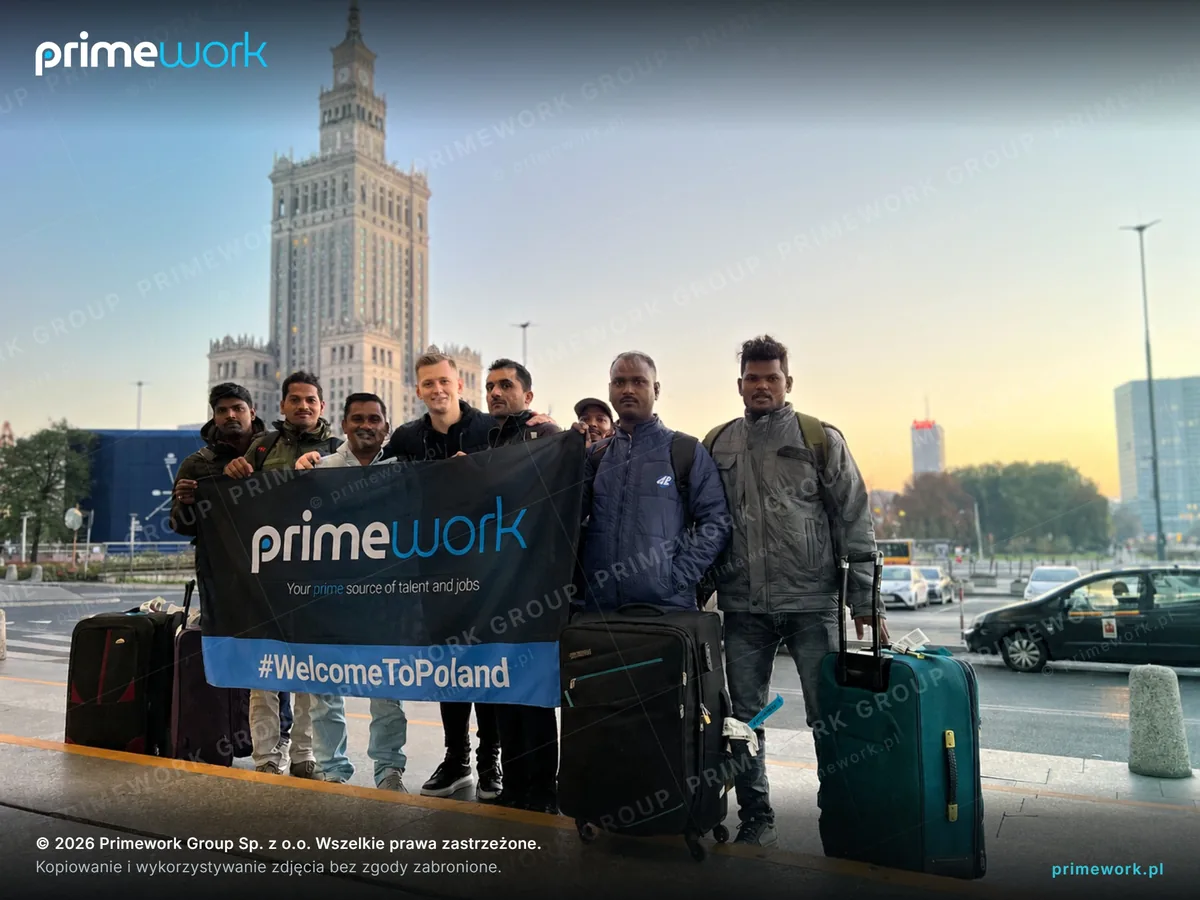
Cultural integration
Moldova is culturally close to Poland, so adaptation issues are fewer than on other directions. Four things are still worth setting up from day one.
Romanian, Russian and Polish on the floor
Candidates do not speak Polish on arrival but learn quickly. In mixed crews with Ukrainians, Russian often becomes the working language, so keep workstation instructions in two versions for the first three months.
No gaps in residence paperwork
Visa-free travel means a strict 90 days in any 180-day period, so dates must be tracked to the day. The coordinator handles the declaration, the temporary residence and work permit application and address registration so legality never lapses.
Food and everyday life
The diet is close to Polish with no religious requirements, and the holiday calendar is largely Orthodox – worth factoring into rosters in January and around Easter.
Turnover and returns
Proximity cuts both ways: a candidate can easily go home, but can also easily move to another employer. Payments on time, a predictable roster and genuine overtime are the best retention tools on this direction.
Short answers to the most common questions about recruiting workers from Moldova.
Direction: MoldovaWe start with a conversation about your needs, a quote and a contract. Then recruitment, the declaration or type A permit, documents and arrival.
Realistic time from contract to the first day at work: 3 to 8 weeks.