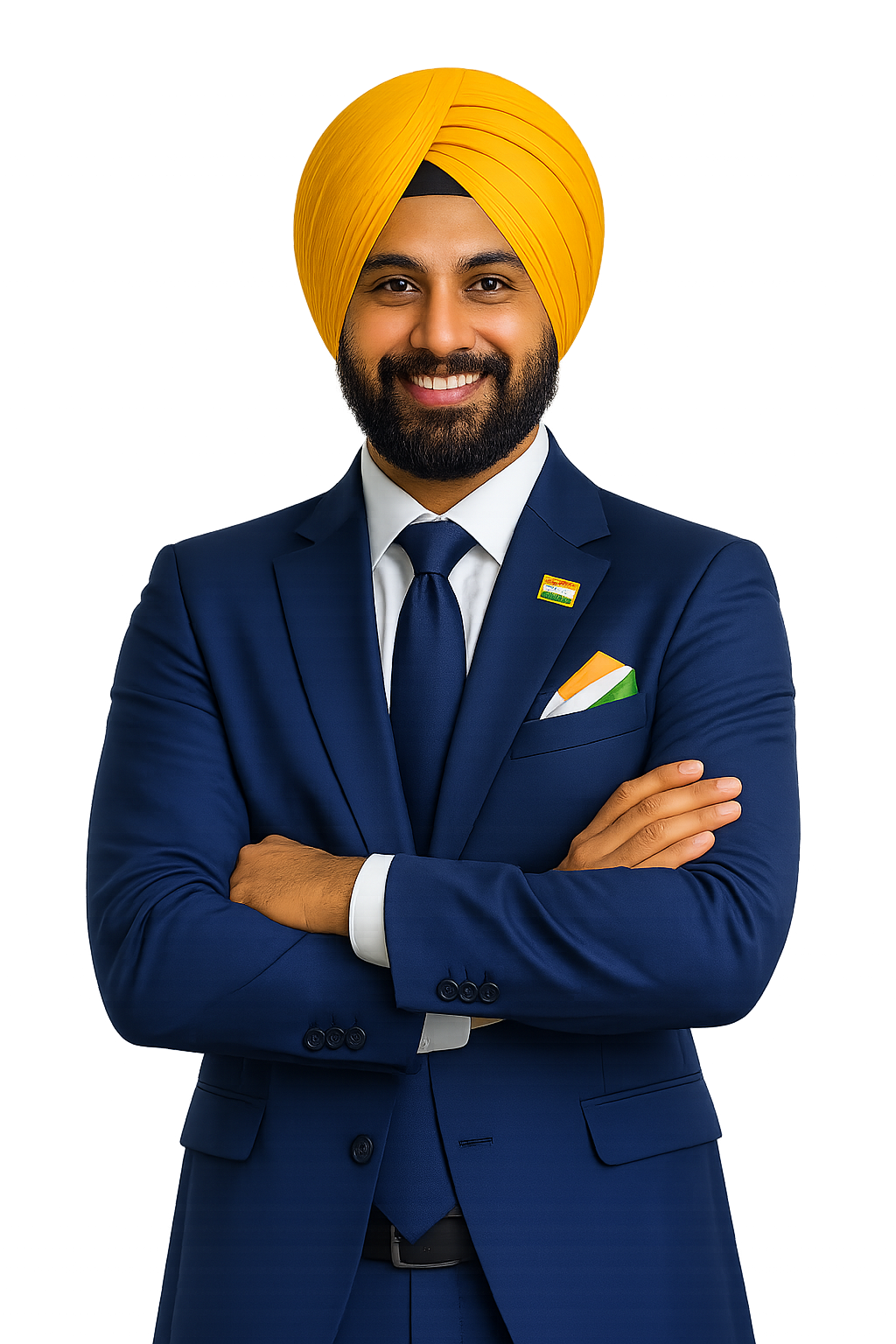
Technical craftsmanship
Welders, fitters, assemblers and electricians trained at ITI institutes, with practice on major Gulf projects.

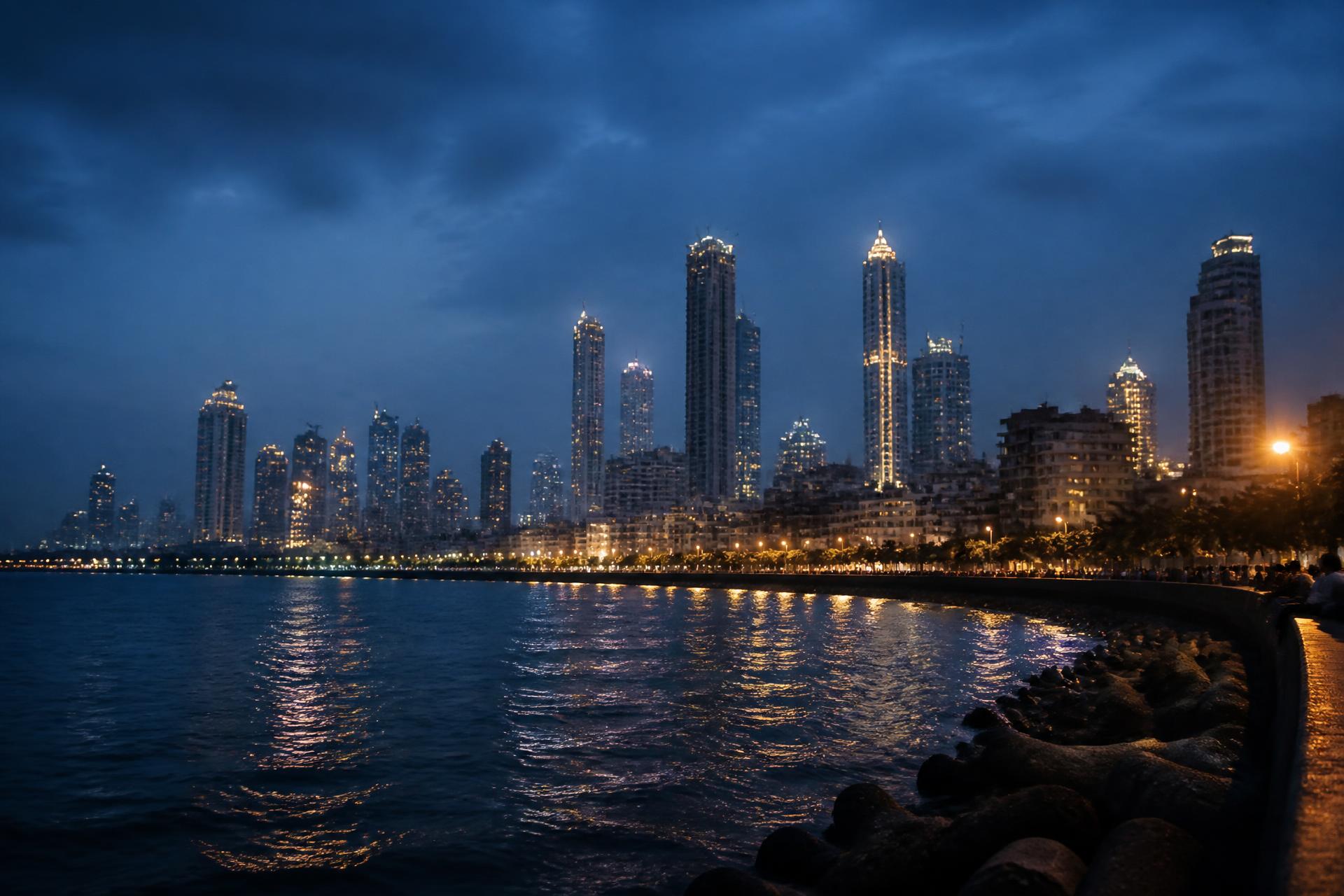
 Recruitment from India
Welders, fitters, operators and production workers with documented ITI/NCVT qualifications. We manage the whole process: selection and pre-selection in India, the work permit, apostille, D visa and the eMigrate procedure, relocation and onboarding at the plant – usually within 3–5 months.
India · South Asia
India trains its workforce in over ten thousand ITI institutes, and millions of Indians work on contracts in the United Arab Emirates, Qatar, Japan and Western Europe. For a Polish employer this means access to candidates with proven craftsmanship – welders, fitters, assemblers and machine operators – who understand the realities of shift work and health and safety standards.
Recruitment from India is a regulated process on both sides: in Poland a type A work permit and a national D visa are required, while in India it involves document legalisation (apostille), the services of a licensed partner and, for passports with the ECR clause, clearance from the Protector of Emigrants in the eMigrate system. We manage the entire process from start to finish: one timeline, one budget, one coordinator.
3–5
months from contract to arrival
100%
legal employment and residence
1.4 bn
population – the largest candidate pool
15k
ITI institutes providing vocational training
Other directions
We also recruit from Philippines, Nepal, Bangladesh, .
See all directionsBenefits
Welders, fitters, assemblers and electricians trained at ITI institutes, with practice on major Gulf projects.
The ITI/NCVT and NSDC system lets you verify qualifications on paper, before you even talk to the employer.
English is an official language and the language of instruction in technical education – instructions and safety briefings work from day one.
India is the world's most populous country. Even narrow profiles can be filled without months of waiting.
Respect for hierarchy, readiness for shift work and overtime, and long contracts rather than seasonal turnover.
If a worker does not meet expectations during the trial period, we provide a free replacement.
Qualifications
India's vocational qualification system is transparent and verifiable through documents. Every profile you receive includes a scanned diploma and verification results. An optional practical test result is available only as a paid add-on on client request and an assessment of the English level.
ITI / NCVT
An Industrial Training Institute diploma confirmed by the National Council for Vocational Training – the basic proof of professional qualifications in India (welder, fitter, electrician, turner).
NSDC / Skill India
Certificates from the national qualifications system with an assigned NSQF level – making it easier to compare competencies with Polish job requirements.
Welding qualifications
Certificates compliant with ASME IX or AWS D1.1 for MIG/MAG, TIG and shielded-metal-arc methods; if needed we arrange a supplementary exam after arrival.
Gulf experience
References from contracts in the UAE, Qatar and Saudi Arabia – confirming experience with health and safety regimes, shift work and quality standards.
The region of origin genuinely affects the professional profile and language – we match it to the position.
Punjab and Haryana
Welders, drivers, and agricultural and construction machinery operators.
Uttar Pradesh and Bihar
Manufacturing, construction, finishing works, warehouses.
Kerala and Tamil Nadu
Technical staff, electricians, installers, hotel and catering personnel.
Gujarat and Maharashtra
Machinery industry, metalworking, chemicals and port logistics.
We run the process in five stages: call, quote and contract, recruitment in India, the Polish work permit, candidate preparation and the D visa, and relocation. Each stage has a clear timeframe and a complete set of documents – below we show step by step what happens, how long it takes and who covers the costs.
3–5 mo.
from contract to first day of work
5 stages
one coordinator manages the whole process
100%
compliance with office and consulate requirements
Process stages
Needs analysis, job profile, quote and schedule. The process starts only once the contract is signed – that is always the first step.
Call and needs analysis
Week 1We define the scope of duties, required qualifications, salary, shift system and accommodation conditions.
Quote and schedule
Week 1–2We present the full budget, the timing of each stage and the planned arrival batches.
Contract signing
Week 2Contract with the employer and the job description in English. Only then do we launch recruitment in India.
Sourcing and verification of candidates by a licensed partner, checking work experience and references.
Pre-selection with a licensed partner
Week 2–4Sourcing candidates, verifying professional experience and references from Gulf contracts.
Shortlist and candidate choice
Week 3–5We present a shortlist of verified profiles. The decision belongs to the company. Video calls on request; practical tests are an additional paid service.
Documentation, labour market test and application at the voivodeship office – run in parallel with recruitment in India.
Compiling documentation
Week 3–4Company data, employment terms and statements – checked for compliance before the application is filed.
Labour market test
Week 4–7When required for the position: submitting the vacancy to the district labour office and the starost's notification.
Decision: type A permit
Week 4–12Application at the voivodeship office; the typical decision time is 30–60 days, depending on the voivodeship.
Complete document set, medical checks, a VFS Global appointment and preparing the candidate for the embassy appointment to obtain the visa.
Candidate document set
Week 10–14Passport, medical examination at an accredited clinic, insurance and the documents required by the consulate.
Preparation for the embassy appointment
Week 12–16The candidate receives step-by-step guidance, we check the complete document set and prepare them for the visa interview – the most common reason for refusals at unprepared agencies.
Visa application at VFS Global
Week 13–18Appointment booking, biometrics and filing the national D visa application at the Polish consulate in Delhi or Mumbai.
Flights from Delhi or Mumbai, accommodation, PESEL number, bank account and onboarding at the workplace.
Tickets and transfer
Week 16–20Flight booking from Delhi or Mumbai, airport transfer and the group being met by the coordinator.
Accommodation and registration
First weekHousing that meets sanitary requirements, address registration, PESEL application and bank account.
Safety training and onboarding
First weekHealth and safety training and instructions in English, with a supplementary welding exam in Poland if needed.
Support and 90-day review
Month 1–3A basic Polish language course, support with residence matters and a review of the cooperation after three months.
Typical timeline
From contract to the first day of work – usually 3–5 months
Call, quote and contract
01Recruitment and pre-selection
02Type A work permit
03Candidate preparation and D visa
04Arrival and first day of work
05Cost of employment
Official fees
EmployerType A work permit application, visa fee and VFS Global service fee.
Candidate documents
Employer / agencyCompiling the documents required by the office and the consulate, plus medical checks at an accredited clinic.
India-side handling
Employer / agencyWork of the licensed partner: recruitment, verification and preparing the candidate for the embassy appointment.
Flight and relocation
EmployerFlight ticket from Delhi or Mumbai, airport transfer, initial accommodation and starter equipment.
Agency fee
EmployerRecruitment, handling of the official process and coordinator support after arrival.
Practical tests (optional)
EmployerWelding trials, assembly tests and other skills tests – organised at the employer's request, additionally paid.
We don't quote a single price per worker – the budget depends on the position, the number of people and the voivodeship. It always consists of the same items, though, so you can compare agency offers without hidden costs. We handle the formalities on the employer's behalf, but every stage is documented and reported.
Ready to start
Selected photos from our work: arrivals, onboarding and day-to-day support for groups from India.
Where Indian workers excel
Positions
The strongest point of this route is technical roles that require proven qualifications. Practical tests – including welding trials – are an additional paid service. We organise them on site in Delhi, Mumbai and Kochi at the employer's request.
Looking for English-speaking staff for production and HoReCa? Also see workers from the Philippines or other recruitment routes.
A comparison of typical differences in the process and candidate profile.
| Criterion | India | Other routes |
|---|---|---|
| Candidate profile | Strong technical craftsmanship (ITI, welding, assembly) | More often general production roles |
| English proficiency | Good among technical staff – language of instruction | Usually basic |
| Process duration | 3–5 months | 1–4 months (visa-free routes) |
| Specific formalities | Type A permit, D visa and a VFS Global appointment | Permit or notification |
| Volume availability | Very high – large groups in a short time | Limited for narrow profiles |
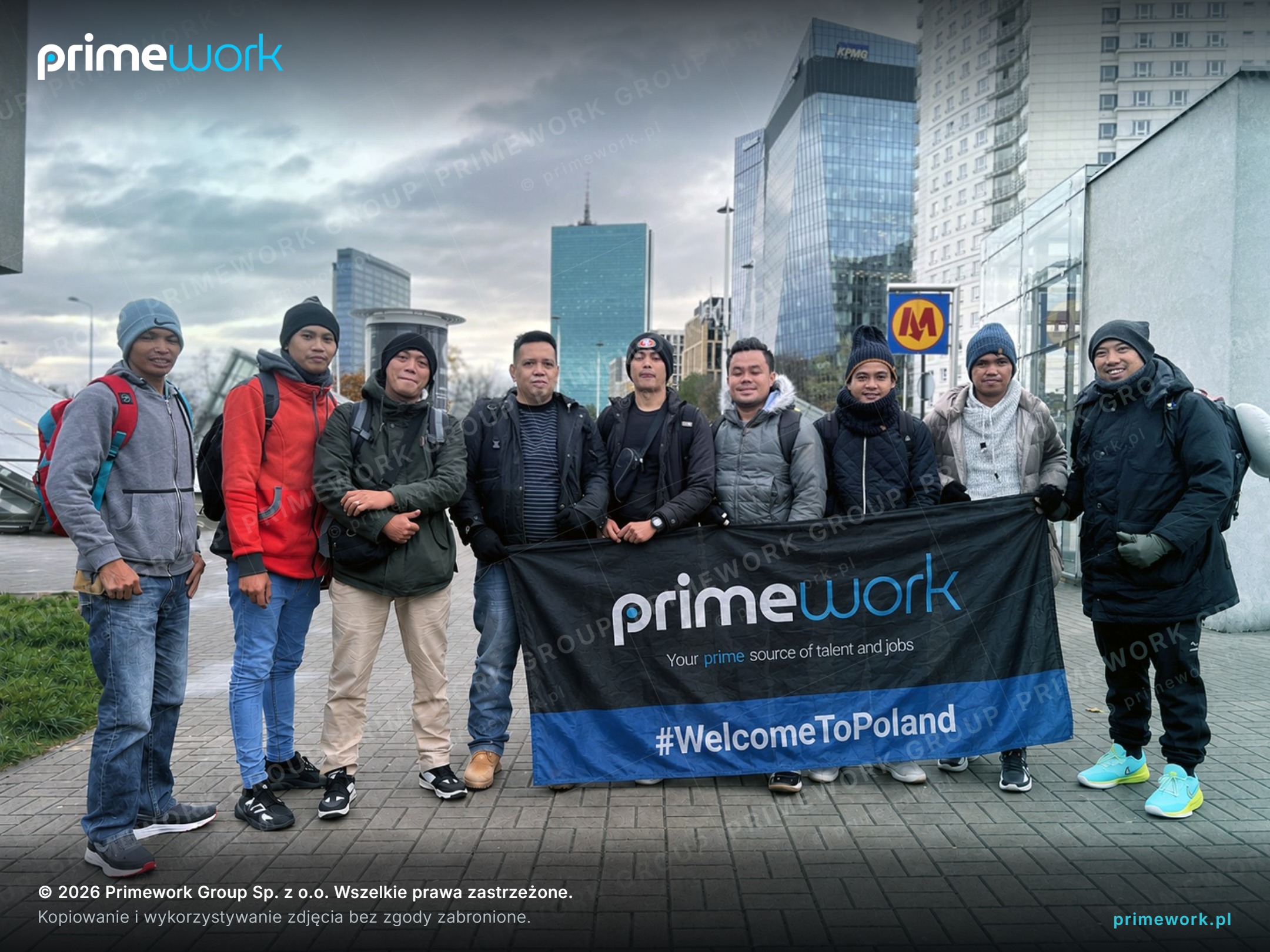
Cultural integration
Indian teams perform well where roles and leadership are clearly defined. A few simple organisational decisions shorten onboarding and clearly reduce turnover in the first year.
Language barrier on the shop floor
Basic Polish courses, instructions and safety briefings in English, pictograms and a translator-foreman in every larger group.
Cultural differences
Training for Polish staff: the meaning of hierarchy, indirect communication style and how issues are raised. Orientation sessions for workers before arrival.
Diet and religious practices
A vegetarian option in the canteen, access to a kitchen at the accommodation, a prayer space and accounting for holidays such as Diwali in the schedule.
First winter and acclimatisation
A winter clothing package, briefing on weather conditions and commuting, and support in the first weeks after arrival.
Short answers to questions about recruiting workers from India.
India is the world's largest labour market and a country with a very strong technical base: welding, metalworking, construction, manufacturing and logistics. Candidates hold documented qualifications from the ITI/NCVT or NSDC system, experience on Gulf contracts and a strong work ethic. For an employer this means a wide choice of profiles and a shorter onboarding time.
1) Needs analysis and job description, 2) initial pre-selection by our partners in India – verification of ITI/NCVT certificates and references (video calls with the employer and in-person interviews are possible on the company's explicit request), 3) type A work permit at the voivodeship office, 4) compiling the candidate's documents and medical checks, 5) preparing the candidate for the embassy appointment and the national D visa filed at VFS Global (Delhi, Mumbai, Chennai, Bengaluru and others), 6) arrival, accommodation, address registration, PESEL number and onboarding at the plant.
Realistically 3–5 months from signing the contract to the first day of work. The longest stages are the work permit (usually 30–60 days) and the visa application processing time at the Polish consulate (a few to over a dozen weeks, depending on the post). For larger groups the stages overlap, so subsequent batches arrive faster.
English is an official language in India alongside Hindi and the language of instruction in technical education. The level depends on the region and education: candidates who completed ITI training and have Gulf experience usually communicate confidently on work-related matters. We verify the language level during the video interview and describe it in every candidate profile.
Most commonly these are ITI (Industrial Training Institute) diplomas confirmed by NCVT/SCVT and NSDC certificates. In welding we see qualifications compliant with ASME/AWS, and in construction and installation work – many years of practice on projects in the UAE, Qatar and Saudi Arabia. We verify qualifications with documents before presenting a candidate. Practical tests are an additional paid service, available on the employer's request.
ECR (Emigration Check Required) is an annotation in the passport of people without secondary education. For such a person to travel for work to selected countries, clearance from the Protector of Emigrants in the government eMigrate system is required. We check the passport status of every candidate and, if the procedure is required, carry it out together with a licensed RA partner in India. This is an element that unprepared agencies most often overlook.
The budget consists of official fees (work permit, visa fee, VFS), the cost of the India-side handling and medical checks, the flight ticket and the agency's fee. We present a precise calculation for a specific position and number of people in the offer before the process starts – with no hidden items.
As standard we carry out initial pre-selection – we verify documents, certificates and references, and leave the final choice to the employer. Video calls with candidates and in-person interviews are organised at the company's explicit request. Practical tests – including welding trials under ASME/AWS – are an additional paid service organised on site in India.
Yes. The salary and other employment terms must be no worse than for Polish workers in a comparable position – this is a condition for issuing the work permit and is checked by the National Labour Inspectorate (PIP) and Border Guard.
Welding and metalworking, manufacturing and the machinery industry, construction and finishing works, electrical and plumbing installations, logistics and warehousing, and catering. These are sectors where proven craftsmanship and shift work matter.
It is standard for accommodation to be provided by the employer or the agency. We organise tickets, airport transfer, housing that meets sanitary requirements, address registration, PESEL number and a bank account. We also suggest simple cultural solutions: a vegetarian option in the canteen, a prayer space, time off for Diwali – this genuinely reduces turnover.
During the agreed trial period we provide a free replacement of the worker. Throughout the contract, the company and the team are supported by a single coordinator who deals with issues before they lead to turnover.
Destination: IndiaWe start with a call about your needs, a quote and a contract. Only then do we launch recruitment in India, the work permit and candidate preparation for the embassy visa appointment – with a fixed arrival schedule.
Realistic time from contract to the first day of work: 3–5 months.